

Primary School Curriculum
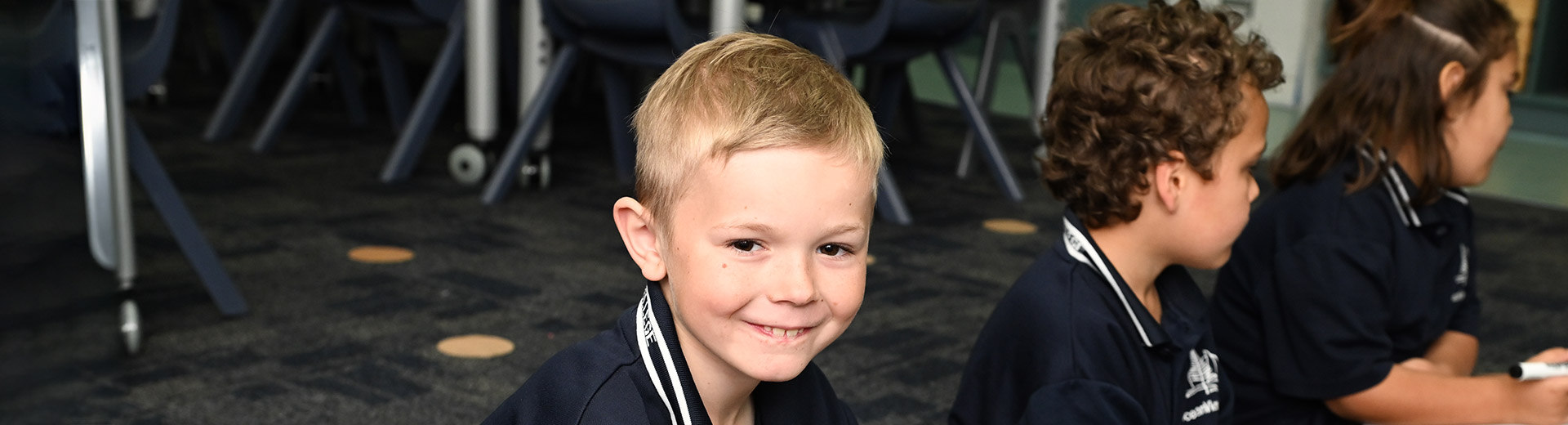
From Reception to Year 6 we believe in helping every child to do their very best.
Teachers encourage all students to take responsibility for their learning, try hard and make the most of every learning opportunity. We focus on building strong skills in reading, writing and maths, and we make learning fun, interesting and engaging. We help students explore new ideas, develop their skills, and discover what they enjoy. We recognise that every child is different, and teachers use a range of teaching strategies to support each student’s learning needs. This includes extra help when needed, as well as activities that challenge students to extend their thinking.
Literacy
Our literacy focus is based on the Science of Reading, a body of research that support teachers to understand the most effective ways to teach reading.
- Reception to Year 2 learn through the InitiaLit program. InitiaLit is a research-based literacy program designed to give children in their early years of schooling (Reception to Year 2) the best possible start with reading, spelling, and writing.
- Students in Years 3 to 6 are taught spelling using the Department for Education’s spelling and morphology scope and sequence.
- Writing across R-6 is taught using the teaching and learning cycle of writing and is assessed using the Brightpath program.
Mathematics
The SA Curriculum for Mathematics has a focus on knowledge, dispositions and capabilities.
Mathematics is taught sequentially using the Big Ideas in Number and teachers regularly assess using the PVAT in Years 2-6. Our teachers help students develop confidence by encouraging them to have a go, not worry about making mistakes and enjoy learning through new challenges in their Maths.
Social and emotional learning
From Reception to Year 6, our students learn about emotions and how to manage them through the Zones of Regulation program. We teach students different strategies to help them recognise how they are feeling and ways to regulate themselves for optimal learning. These self-regulation skills support them not only at school, but throughout their lives.